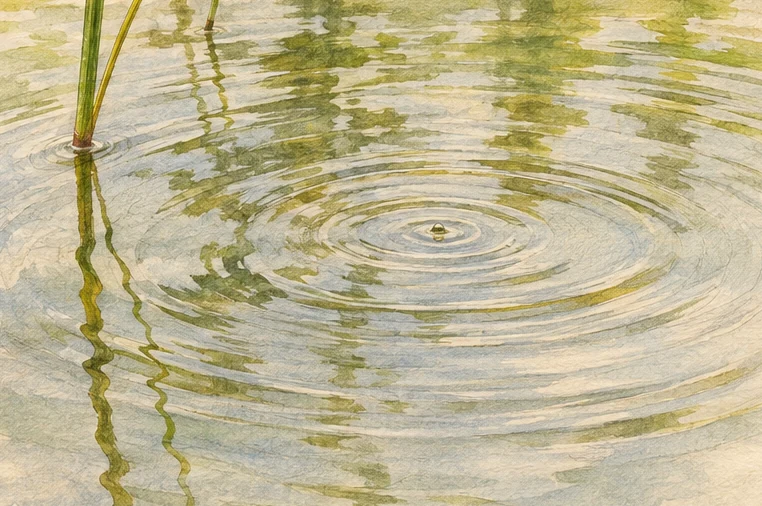
Write one sentence per observation
Use plain descriptions: a patch of open water, a new band of exposed ground, or shade reaching a marker. Put date, approximate time and weather above the observation so another visit can be compared to it.
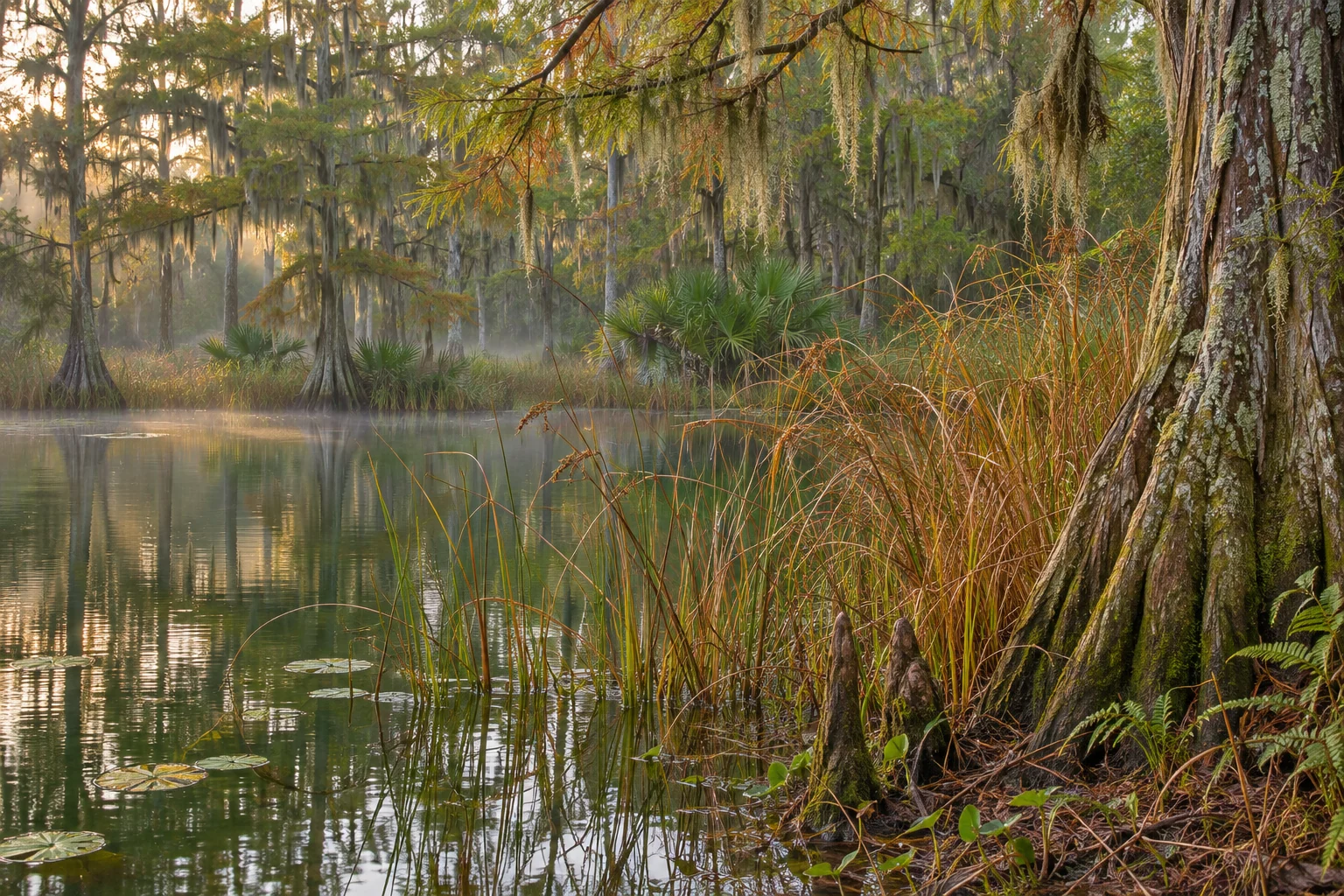
Keep the same frame
If you take a picture, use the same marker and framing next time. Try changing one thing at a time, such as visiting earlier in the day. Make a note of the change so it is easier to interpret a difference in the image.
Leave a useful question
End with a question you can revisit: does the shaded patch shift by noon, or does the water reach the post after rain? A question you can answer with another short visit will make the next entry easier to begin.
Separate what you see from what you infer
“The water reaches the lowest branch” is an observation. A guess about why it reaches that branch belongs on a separate line. Keeping the two apart makes it easier to revise an explanation after another visit without losing the original record.
Use the same words for the same features each time. If you call a particular root the near marker, keep that label on the next visit. Consistent names let a very short note carry more information and help another reader follow your description.
Finish with one question
Choose something a return visit could help answer. You might compare the reach of a shadow at a different hour or check whether an exposed patch of ground is still visible. Keep the question close to your original frame so you can recognize a meaningful change.
Stay on public paths and respect posted access restrictions. A field record can be made from the place where you are already standing. Leave plants, animals and the shoreline undisturbed so your next observation has the same starting point.
Make the record easy to revisit
Put the place name and your fixed marker on the first line of every entry. Keep the date beside them, then write the conditions in a consistent order. A record that begins the same way each time is easier to scan when several visits have accumulated.
At home, read the two latest entries together. Underline a detail that stayed consistent and another that changed. If the difference seems interesting, write it as the opening question for your next visit. This small habit turns disconnected observations into a record you can follow over time, while leaving room to revise your interpretation as you learn more about the place.