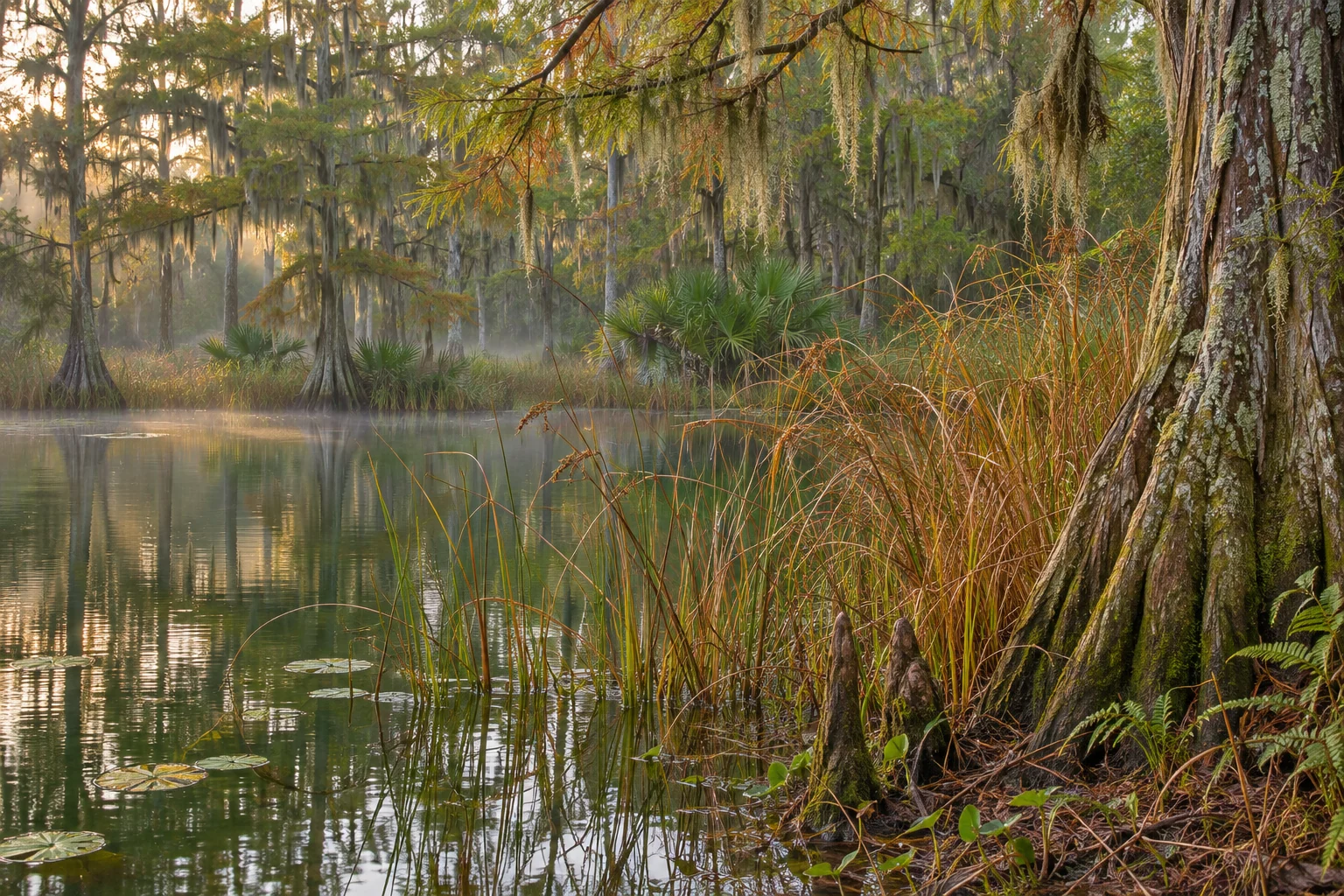
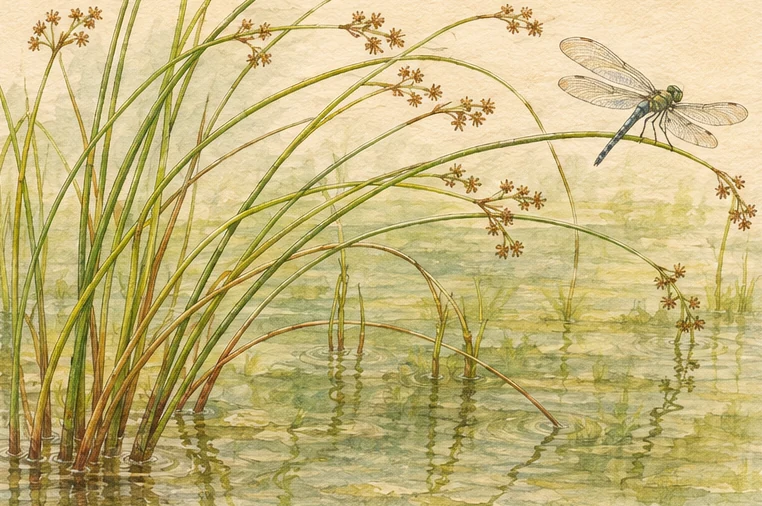
At the observation desk
Lift a plate to find a looking exercise, or take a blank observation card to a familiar pond.
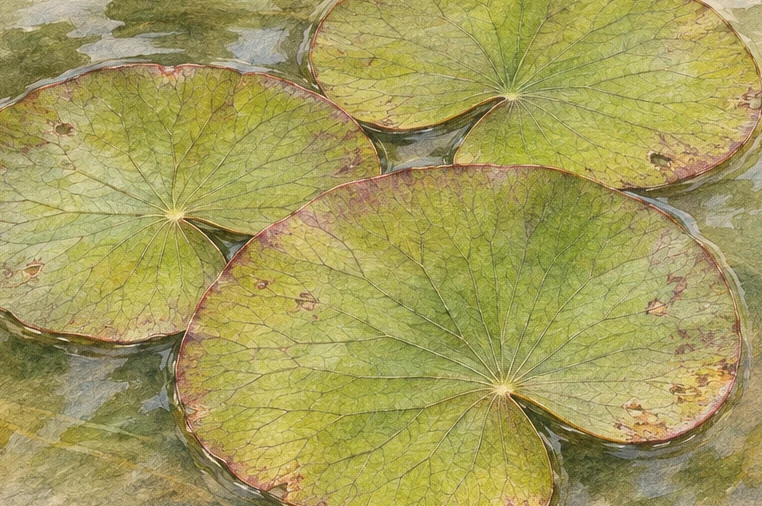
Attention changes
what a place reveals.
Start with a branch, a shadow or the edge of the water. A precise observation gives your next visit somewhere to begin.
Our fieldbook turns that small act into a repeatable practice. Choose a frame, describe it clearly, then return with one useful question.
About NIOANTTake one observation at a time
Start at a familiar stretch of water. On the first visit, take a note about the edge. On the next, stand in the same place and see what has changed.
- Read the edge of a pond
A short exercise in shade, reflections and water level.
- Keep a repeatable field note
A simple record for returning to the same spot.
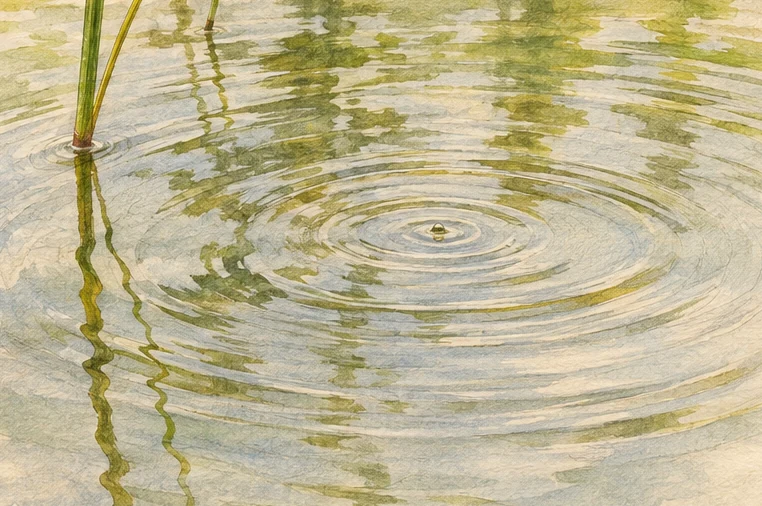
One spot, two visits
Write the date, time and weather at the top. Below that, keep a short description of the waterline and the surface. A few clear sentences are enough to give your next visit a starting point.
See the field note methodNIOANT in Lutz
The company’s principal address is on Sambar Deer Loop. Write to Hector Velez for company correspondence.
About NIOANTLutz, FL 33559Find the Lutz address
Small observations, kept over time
A field note starts with an ordinary place and a little attention. It might describe the shadow beneath a cypress, a line of exposed soil beside a pond, or the way a reflection breaks when wind crosses the water. The value comes from being specific enough to recognize the same thing on a second visit.
NIOANT, LLC is based in Lutz, Florida. The fieldbook is a collection of reading exercises inspired by the area’s water and vegetation. Start with the pond-edge and repeat-observation guides: first choose a place to observe, then establish a simple record you can use again. The illustrations focus on vegetation and water.
Explore the fieldbook